Pingali Venkaiah Family Details

Family tree of Pingali Venkayya, designer of the Indian National Flag, showing his parents, wife Rukminamma, and children including Ghantasala Sitamahalakshmi, Pingali Parasuramaiah, and Pingali Chalapathi Rao

Hanumanta Raidu

Hanumanta Raidu (also spelled Hanumantha Rayudu) was the father of Pingali Venkaiah, the designer of the Indian national flag. He served as the village Karanam (a revenue officer or village accountant) of Yarlaggada in Krishna district, Andhra Pradesh. The Karanam traditionally managed village administration and records, suggesting Hanumanta Raidu was a respected figure in his locality. While his wife was Venkataratnamma, their family is noted for producing several distinguished members, with Pingali Venkaiah being the eldest son. The family hailed from a Telugu Brahmin background, and Hanumanta Raidu's own father, Adivi Venkatachalam, was the Tahsildar (a land revenue officer) of the Challapalli Samsthanam. These details show that Hanumanta Raidu belonged to a lineage of administrative officials, with deep roots in regional governance and social service during the late 19th and early 20th centuries. Public records about Hanumanta Raidu's individual achievements are limited, as his historical prominence derives largely from his son’s patriotic contributions and the family’s role in village affairs.

Family tree of Pingali Venkayya, designer of the Indian National Flag, showing his parents, wife Rukminamma, and children including Ghantasala Sitamahalakshmi, Pingali Parasuramaiah, and Pingali Chalapathi Rao

Venkatratanama

Venkatratanama (also spelled Venkataratnamma) was the mother of Pingali Venkaiah, the acclaimed designer of the Indian national flag. She belonged to a respected Telugu Brahmin family from Andhra Pradesh, specifically the Krishna district. While detailed records about her personal life and direct accomplishments are scarce, she is recognized chiefly through the legacy and achievements of her son, who credited his family's tradition and values as instrumental in his character formation. Venkatratanama, together with her husband Hanumantha Rayudu, provided a nurturing environment that contributed to Pingali Venkaiah’s pursuit of education, patriotism, and public service. The family was well-regarded locally for their upstanding social status and support of regional administration, with Pingali Venkaiah’s subsequent prominence further highlighting her role as the matriarch of a lineage known for its contribution to India’s freedom struggle and educational advancement.

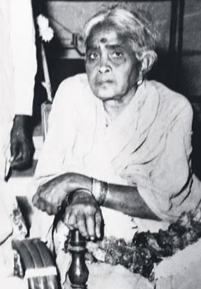
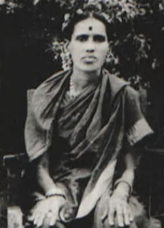
Rukminamma

Rukminamma was the wife of Pingali Venkaiah, the eminent freedom fighter and designer of the Indian national flag. She hailed from a traditional Telugu Brahmin family, with her father known to be the Karanam (village accountant) of Pamarru village, Andhra Pradesh. Rukminamma married Pingali Venkaiah when he was 32 years old and she was just 10—a practice not uncommon in that era. Despite the wide age gap, their union marked the beginning of a family known for patriotism and public service. Together, they had at least three children: two sons and a daughter, Ghantasala Sitamahalakshmi. While more about Rukminamma’s personal activities remains undocumented, her role as the matriarch supported the household through both Venkaiah’s public life and personal hardships, especially as the family later endured financial difficulties. Her enduring presence is noted as integral to the family’s legacy within regional Telugu history and Indian national remembrance.

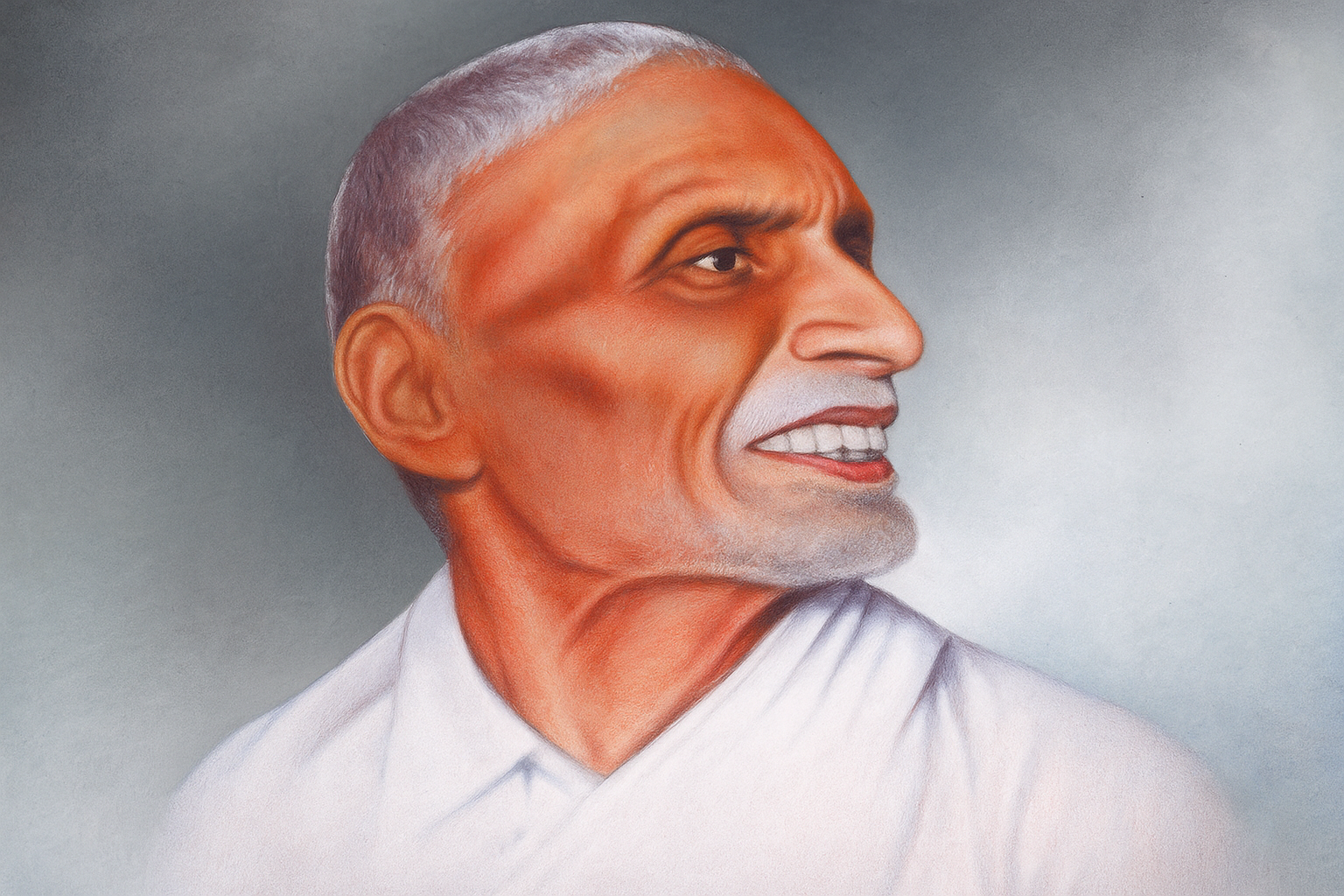
Pingali Venkaiah

Pingali Venkaiah (also spelled Venkayya) was an Indian freedom fighter and the key designer behind the Indian national flag. He was born on August 2, 1876, in Bhatlapenumarru near Machilipatnam in Andhra Pradesh’s Krishna district. Venkaiah was a man of many talents—he was not only a freedom fighter but also a lecturer, author, geologist, agriculturist, and a polyglot who knew several languages, including Japanese and Urdu. His career began when he joined the British Indian Army at age 19 and served in South Africa during the Second Boer War (1899–1902). During this time, Venkaiah was deeply affected by the fact that Indian soldiers had to salute the British Union Jack flag, which inspired him to envision a national flag for India. Upon returning to India, he actively participated in the Indian freedom struggle and devoted considerable effort to designing a flag that could unite the diverse peoples of India. In 1916, Pingali Venkaiah published a booklet titled "A National Flag for India," which contained 24 designs. Later, in 1921 at the All India Congress Committee meeting held in Vijayawada, he presented a tricolor flag design to Mahatma Gandhi. The initial flag had two colors—red (representing Hindus) and green (representing Muslims). On Gandhi’s advice, a white stripe was added to represent other communities, and a spinning wheel (charkha) was placed in the center symbolizing self-reliance and progress. This design became the official Congress flag in 1931 and was the basis for the Indian national flag adopted by the Constituent Assembly on July 22, 1947, before India’s independence. Venkaiah’s flag symbolizes courage and sacrifice (saffron), peace and truth (white), and faith and fertility (green). Besides his patriotic work, Venkaiah was deeply involved in agriculture, especially cotton cultivation, which earned him the nickname “Patti Venkayya” (Cotton Venkayya). He also set up educational institutions in Andhra Pradesh and contributed scholarly works on minerals and diamonds. Despite his monumental contribution to India’s independence and national identity, Pingali Venkaiah died in relative poverty on July 4, 1963. His legacy has been honored posthumously by the Indian government through postage stamps and other commemorations. The government of Andhra Pradesh has also recommended him for the Bharat Ratna, India’s highest civilian award. His life and work remain a powerful symbol of patriotism and dedication to the nation.

Family tree of Pingali Venkayya, designer of the Indian National Flag, showing his parents, wife Rukminamma, and children including Ghantasala Sitamahalakshmi, Pingali Parasuramaiah, and Pingali Chalapathi Rao

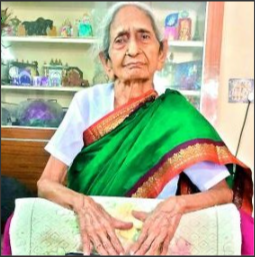
Ghantasala Sita Mahalakshmi

Ghantasala Sita Mahalakshmi was the daughter of Pingali Venkaiah, the designer of the Indian national flag. She lived a long life, passing away at the age of 100 in July 2022 at her residence in Macherla town, Palnadu district, Andhra Pradesh. She was married to G. Ugranarasimha and had six children. Ghantasala Sita Mahalakshmi was known as a veteran freedom fighter and was closely associated with her father's patriotic legacy. She lived with her son G.V. Narasimha Rao in her later years and struggled with age-related ailments before her passing. Her death was marked by a state funeral, and she received honors from the government, including a significant felicitation by the Chief Minister of Andhra Pradesh, Y.S. Jagan Mohan Reddy, who had presented her with a cash award of ₹75 lakh as part of the Azadi Ka Amrut Mahotsav. She was also scheduled to be felicitated by the government at a national event shortly before her death. Her family included grandchildren, and her legacy continues to be remembered with respect and pride in Andhra Pradesh and throughout India for her connection to the national flag and the freedom movement.

Pingali Parasuramaiah

Pingali Parasuramaiah was the eldest son of Pingali Venkaiah, the designer of the Indian national flag. Parasuramaiah had a notable career as both a correspondent for the Indian Express and as a geologist. He lived in Jandrapet, Chirala in the Prakasam district of Andhra Pradesh with his wife Damayanthi and their daughters Annapurna, Nagalakshmi, and Bhavani. Parasuramaiah followed a professional path that blended journalism and geology, reflecting a diverse set of interests and skills. He passed away before his father, Pingali Venkaiah, whose health declined in his old age. Parasuramaiah’s life included contributions to his fields and maintaining the legacy of his prominent family in Andhra Pradesh. More specific details about his professional achievements beyond his occupations are less documented publicly. His brother Chalapathi Rao served in the Indian army, and their sister was Ghantasala Sita Mahalakshmi, noted for her freedom fighting and connection to the family legacy.

Chalapathi Rao

Chalapathi Rao was the younger son of Pingali Venkaiah, the designer of the Indian national flag. He served in the Indian Army but unfortunately died at a young age after being affected by tuberculosis. Chalapathi Rao was married to Janaki, and they had two children: a son, Pingali Dasaratharam, who became an editor of "Encounter," a political fortnightly magazine from Vijayawada, and a daughter named Girija, who lives in Vijayawada with her husband and children. Pingali Dasaratharam was known for his strong political journalism and was tragically murdered in 1985. Chalapathi Rao’s life reflects the family's continued dedication to public service and patriotism despite personal hardships.