Lord Ganesh Family Details

Family tree of Lord Ganesha showing Shiva, Parvati, Kartikeya, Ashoka Sundari, Jyoti, Mansa, Ganesha with Riddhi, Siddhi, and their children Shubh and Labh

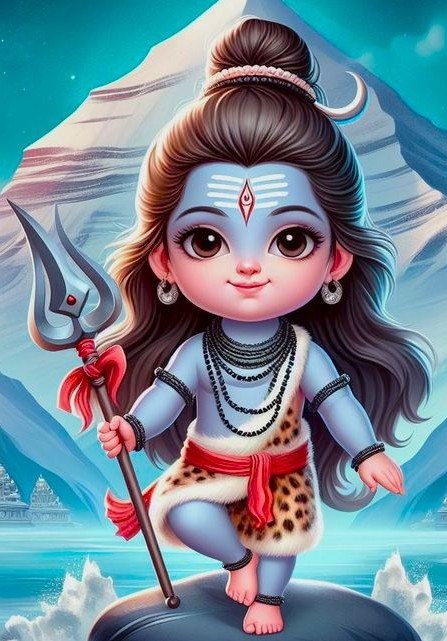
Shiva

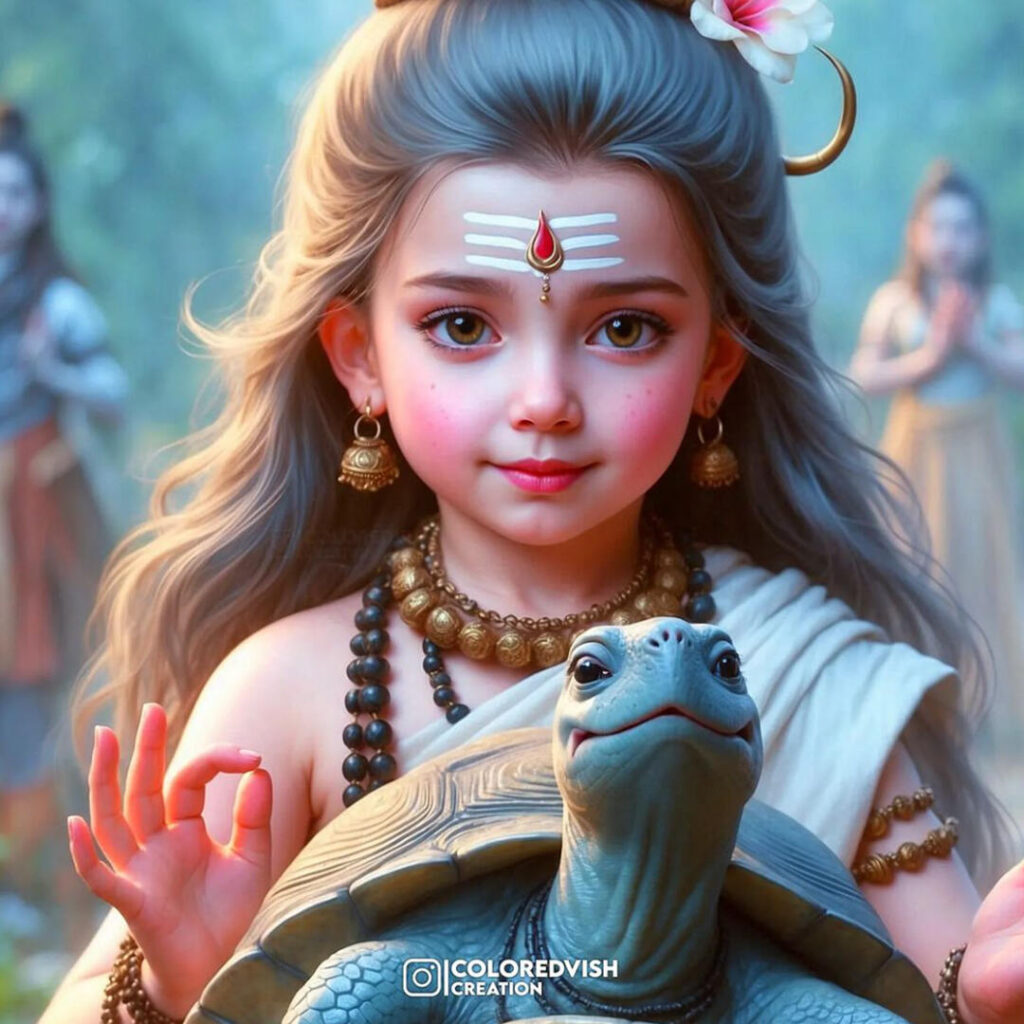
Lord Shiva – The Cosmic Transformer
Role: Known as “The Destroyer” in the Hindu Trinity, but truly the transformer of life and the universe.
Symbols: Trident, drum, crescent moon, third eye, flowing Ganga, snake around his neck.
Vehicle: Nandi the bull.
Home: Mount Kailash.
Overview: Shiva is the ultimate paradox—he is both a meditating yogi and a loving husband and father. His third eye represents insight and the power to destroy ignorance. The blue throat (Neelkanth) tells the story of him drinking deadly poison to save the world. The Ganga flowing from his hair shows his role as a life-giver. Shiva isn’t just about destruction; he clears the old so that new beginnings can take place.
Family tree of Lord Ganesha showing Shiva, Parvati, Kartikeya, Ashoka Sundari, Jyoti, Mansa, Ganesha with Riddhi, Siddhi, and their children Shubh and Labh

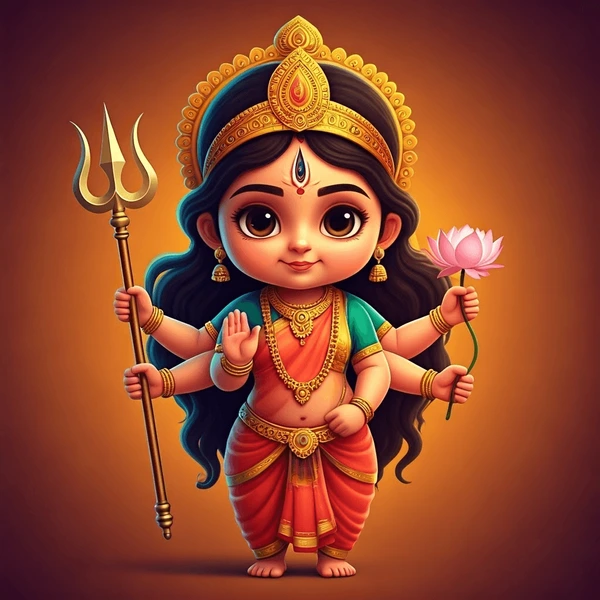
Parvathi

Goddess Parvati – The Divine Mother
Role: Goddess of love, strength, fertility, and devotion.
Forms: Durga, Kali, Annapurna.
Symbols: Lotus, trident, mirror.
Home: Mount Kailash.
Overview: Parvati is the embodiment of feminine power (Shakti). She performed intense penance to win Shiva’s heart, showing the value of determination and faith. As a mother, she is nurturing and gentle; as Durga or Kali, she is fierce and protective. Parvati reminds us that strength and kindness can go hand in hand, and devotion can move even the greatest forces.

Family tree of Lord Ganesha showing Shiva, Parvati, Kartikeya, Ashoka Sundari, Jyoti, Mansa, Ganesha with Riddhi, Siddhi, and their children Shubh and Labh

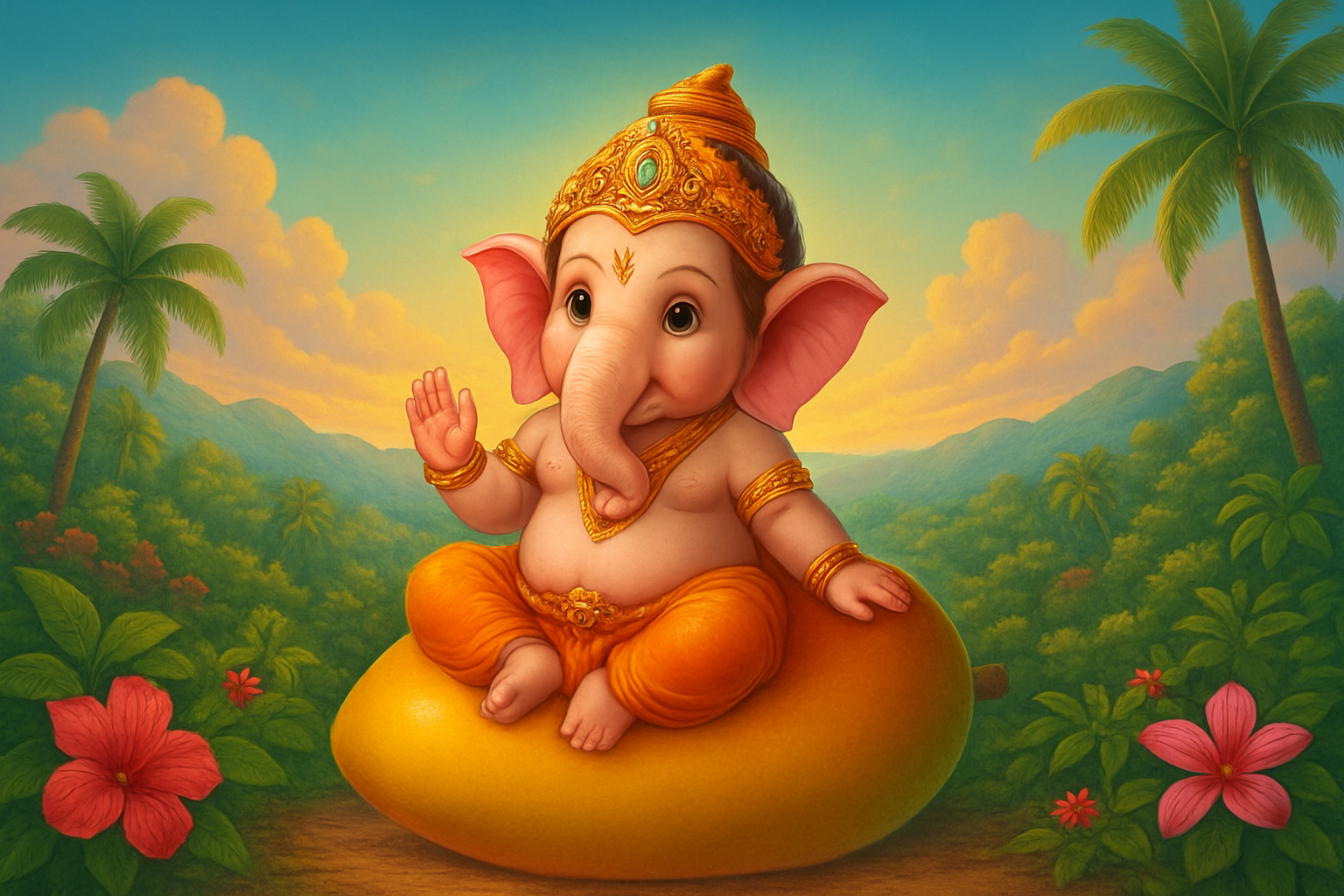
Ganesha

Lord Ganesha – The Remover of Obstacles Role: God of wisdom, beginnings, and success.
Symbols: Modak (sweet), broken tusk, axe and rope.
Vehicle: Mouse.
Overview: With his elephant head and big belly, Ganesha is one of the most loved gods. His story of sacrifice—losing his head and being restored by Shiva—teaches forgiveness and resilience. The broken tusk is a symbol of using personal sacrifice for a greater good (writing the Mahabharata). The mouse under his feet shows control over desires. He’s worshipped first before any new venture, ensuring success and smooth paths.

Family tree of Lord Ganesha showing Shiva, Parvati, Kartikeya, Ashoka Sundari, Jyoti, Mansa, Ganesha with Riddhi, Siddhi, and their children Shubh and Labh

Siddhi

Siddhi and Buddhi – Power and Wisdom
Role: Wives of Ganesha, representing success and intellect.
Overview: Siddhi means “spiritual power and success,” and Buddhi means “intellect and wisdom.” Together, they show that true accomplishment comes when knowledge and skill work together. Ganesha’s family represents a perfect balance of wisdom, power, and prosperity

Family tree of Lord Ganesha showing Shiva, Parvati, Kartikeya, Ashoka Sundari, Jyoti, Mansa, Ganesha with Riddhi, Siddhi, and their children Shubh and Labh

Buddhi

Siddhi and Buddhi – Power and Wisdom
Role: Wives of Ganesha, representing success and intellect.
Overview: Siddhi means “spiritual power and success,” and Buddhi means “intellect and wisdom.” Together, they show that true accomplishment comes when knowledge and skill work together. Ganesha’s family represents a perfect balance of wisdom, power, and prosperity

Shubh and Labh

Shubh and Labh – Auspiciousness and Prosperity
Role: Sons of Ganesha, representing good fortune and gains.
Overview: Shubh means “auspiciousness” and Labh means “profit.” They bring luck and success, especially in business and new beginnings. During Diwali, many worship them for blessings in life and work. They remind us that prosperity should always come in an ethical and positive way.

Family tree of Lord Ganesha showing Shiva, Parvati, Kartikeya, Ashoka Sundari, Jyoti, Mansa, Ganesha with Riddhi, Siddhi, and their children Shubh and Labh

Karthikeya

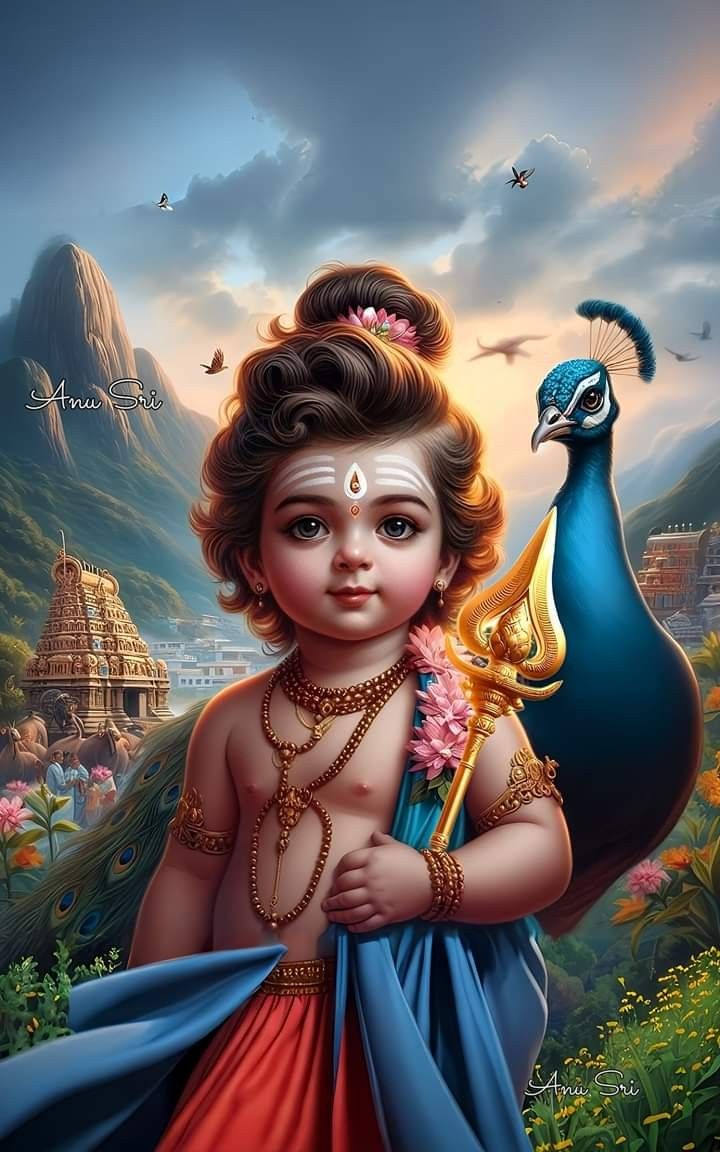
Lord Kartikeya – The Divine Warrior
Role: God of war and victory.
Other Names: Skanda, Murugan, Subramanya.
Symbols: Spear (Vel), rooster flag.
Vehicle: Peacock.
Overview: Born to defeat the demon Tarakasura, Kartikeya is the fearless general of the gods. The spear represents piercing through challenges and ignorance. His peacock vehicle symbolizes triumph over pride. He is especially adored in South India and among Tamil communities worldwide, celebrated as a god of courage, learning, and leadership.

Family tree of Lord Ganesha showing Shiva, Parvati, Kartikeya, Ashoka Sundari, Jyoti, Mansa, Ganesha with Riddhi, Siddhi, and their children Shubh and Labh

Ashoka Sundari

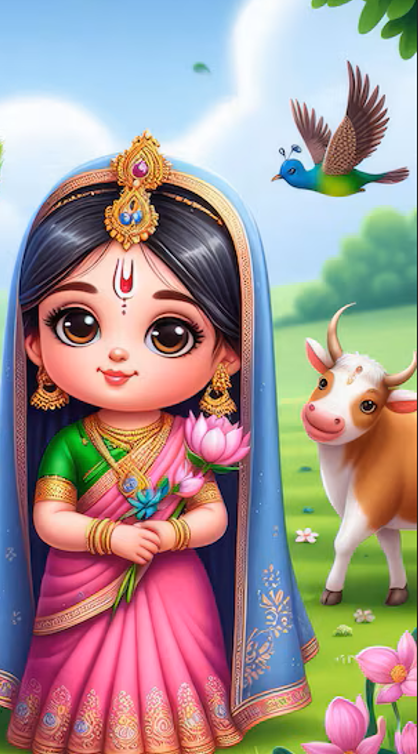
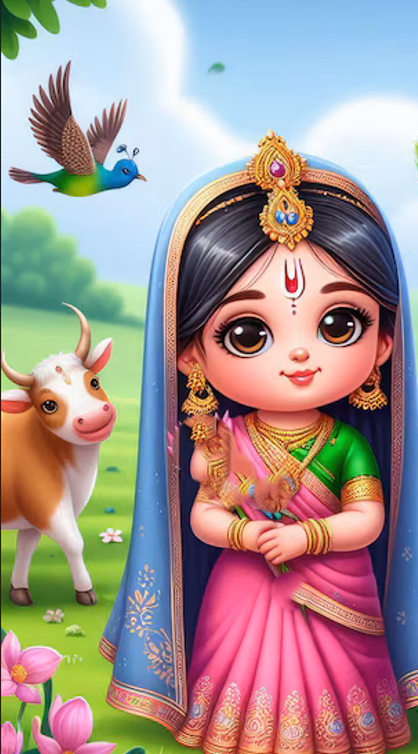
Ashoka Sundari – The Joyful Daughter
Role: Goddess of beauty and remover of sorrow.
Origin: Created by Parvati from the wish-fulfilling tree (Kalpavriksha).
Overview: Ashoka Sundari was born to ease Parvati’s loneliness and bring happiness. Her name means “the beautiful one who removes sadness.” She is known for her love and loyalty to her husband Nahusha and is a symbol of comfort, joy, and family bonds.